Way2mining
Ariyalur District
Tamilnadu.

Ministry of Coal to Hosted Star Rating Awards Ceremony for Coal & Lignite Mines on 4th September 2025 in Mumbai
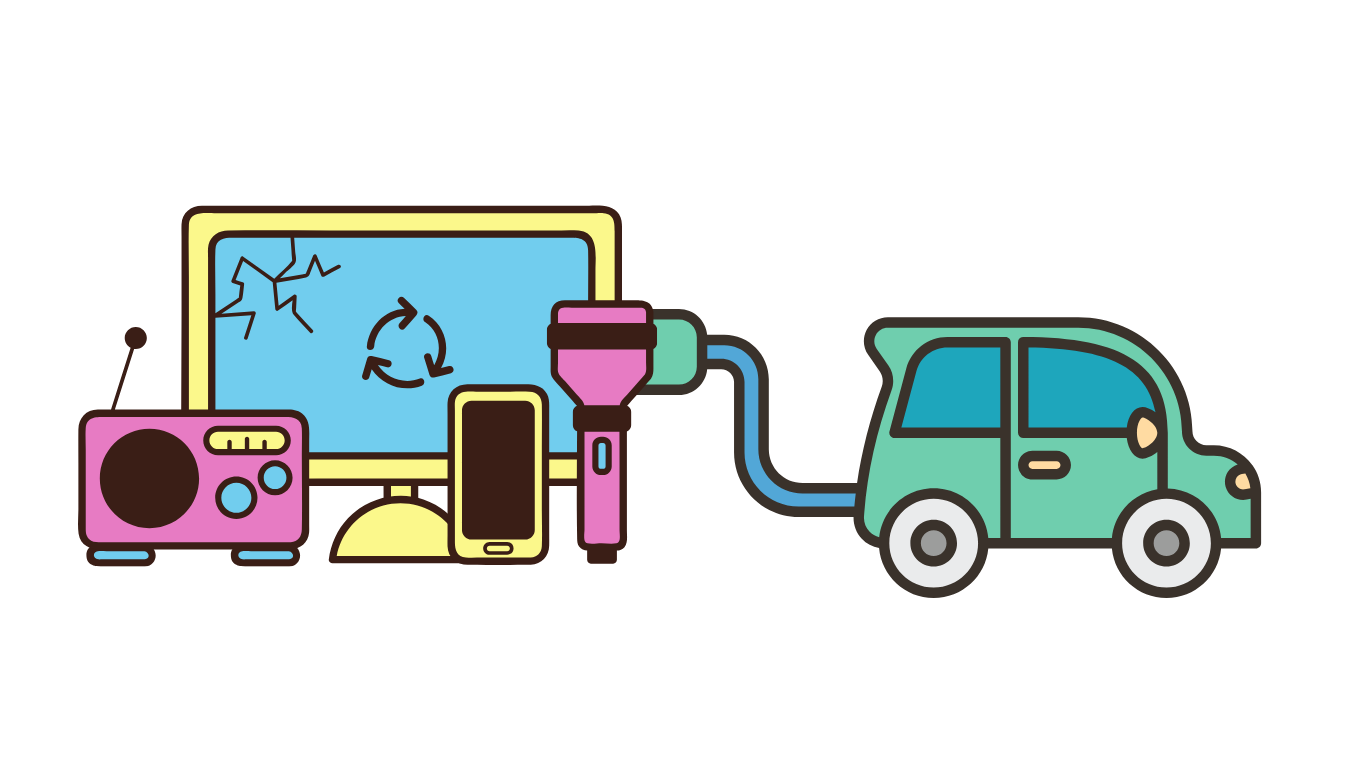
Your old phone, dead battery, or scrapped car isn’t junk—it could be the goldmine India needs. Here’s how the new ₹1,500 crore recycling scheme and its subsidies aim to unlock value from waste.
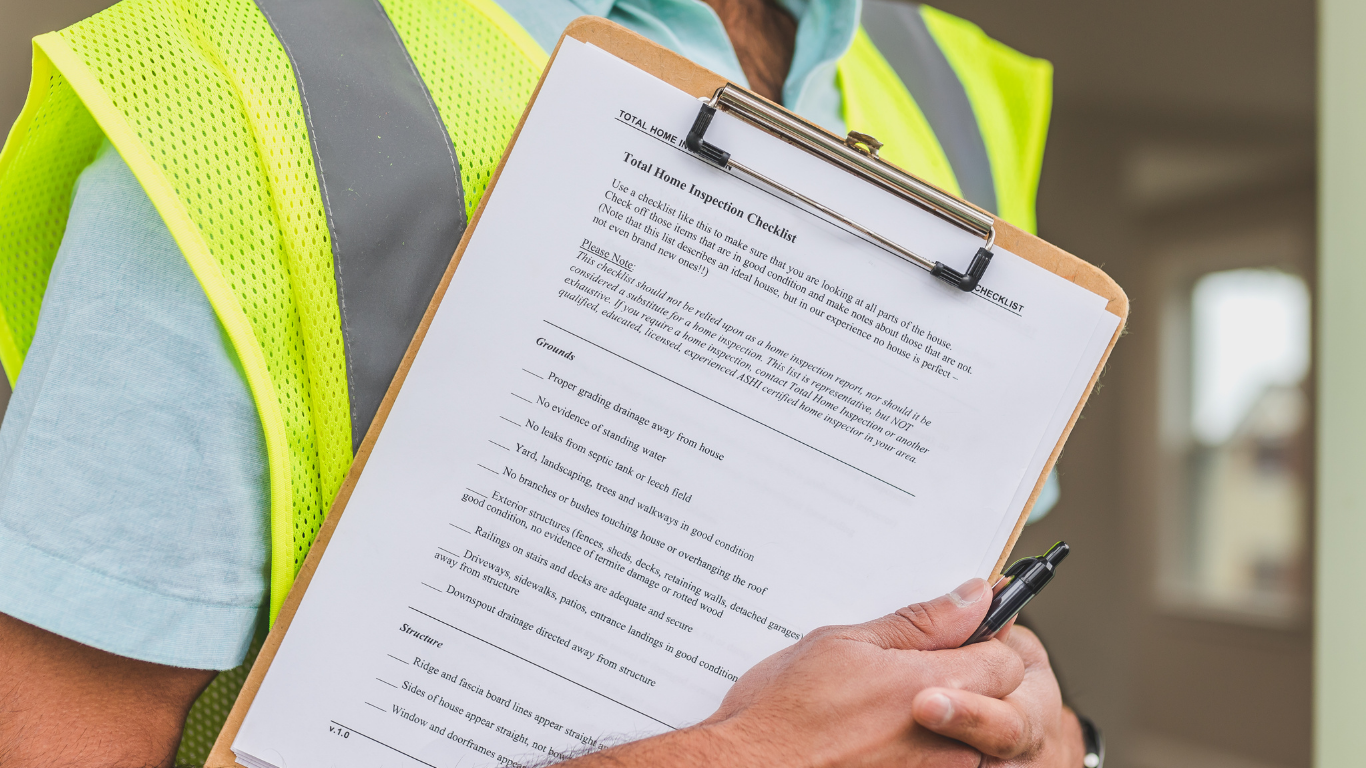
When DGMS arrives at your mine gate, what really happens? This storytelling guide breaks down the inspection process step by step—permissions, records, plans, and ground checks

For decades, electrical detonators powered India’s blasting operations. But risks from stray currents, RF interference, and poor timing have pushed regulators to phase them out. Enter electronic detonators — safer, smarter, and precise to the millisecond. Yes, they cost more. But in mining and tunneling, the trade-off is simple: lives and productivity are worth it.

If your mine stops producing for 4 months, Indian law kicks in with strict notice requirements. Here’s a simple story of mine manager Ramesh to understand how discontinuance and reopening rules under MMR 1961 really work.

Both Section 22 and 22A of the Mines Act give inspectors the power to stop unsafe mining. But one deals with unforeseen dangers while the other enforces existing rules. Let’s decode the difference.
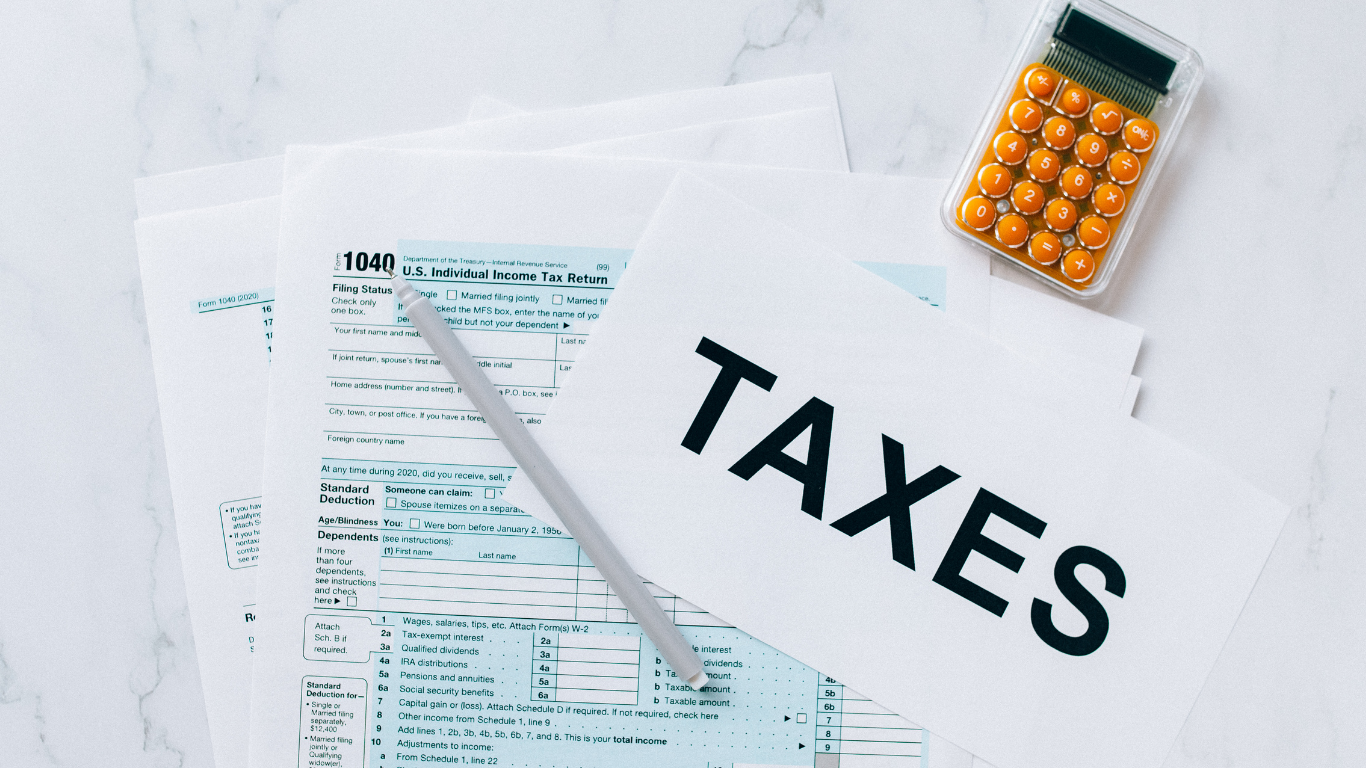
Tamil Nadu has rolled out a new tax targeting mineral-bearing lands — and it’s hitting the mining industry hard. Whether you’re a cement giant or a small leaseholder, this change affects your bottom line. Here’s what you need to know

Mining surveys are no longer about men with tripods and measuring tapes. Today, drones are flying over pits, dumps, and stockyards to deliver centimeter-level accuracy—and the government has made them mandatory for big mines. Here’s why these rules matter, what they demand, and how they’re reshaping the way India manages its mineral wealth.

India’s mining auctions began in 2015 to ensure transparency and fairness. But red tape often slowed things down. The latest 2025 amendments bring strict deadlines, penalties for delays, and even rebates if governments stall—making sure critical minerals like lithium and copper move from paper to production faster.

The MMDR Amendment swaps the National Mineral Exploration Trust for the National Mineral Exploration and Development Trust. But this isn’t just a name change—it widens how the fund can be used.